

Key takeaways
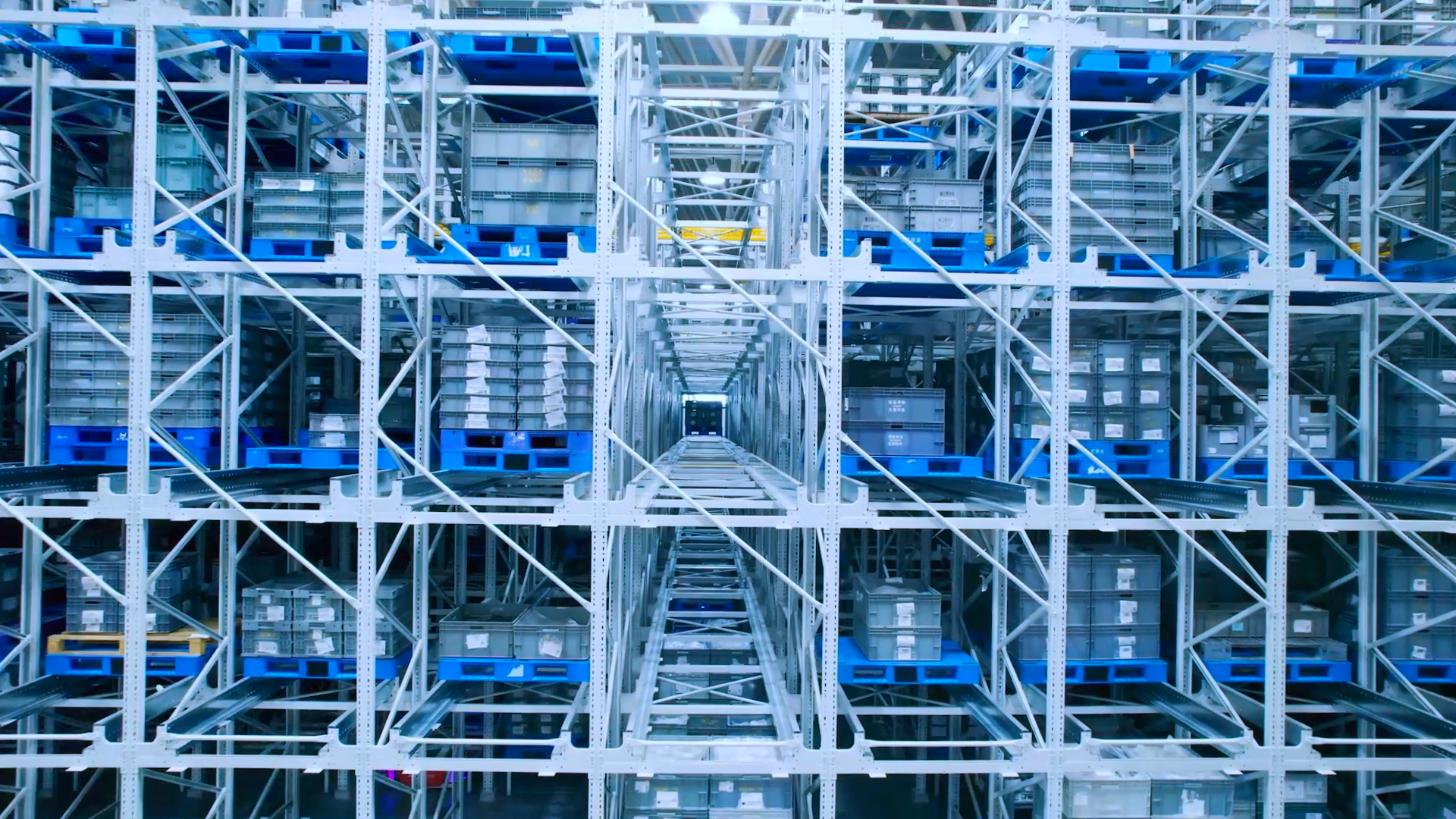
- Automotive parts DCs combine a long tail of slow-moving SKUs, mixed item sizes, strict dealer cutoffs and seasonal demand swings.
- Automation helps most with high-SKU small and mid-size parts and with keeping performance steady against cutoffs.
- Very bulky items, very low-volume sites and unresolved process problems are poor candidates for automation.
- Many parts operations use a hybrid layout: automated storage for small and mid-size parts, conventional handling for bulky items.
Why is automotive parts distribution different from other warehouses?
Automotive parts distribution is different because a single site may stock tens of thousands of SKUs of very different sizes, serve dealers with same-day or next-day expectations and face demand that changes with seasons and model years.
Winter brings demand for batteries and wiper blades, seasonal changeovers drive tire volume, and each model year introduces new parts. These patterns shape which processes can be automated well.
"Parts distribution is hard because you stock a part for a car that is fifteen years old next to one for a model that launched last month, and the dealer expects both by tomorrow morning. The SKU count keeps growing, and most of it barely moves."
Josh Ewertz, Business Development, Geek+ Americas
Where does automation help in automotive parts distribution?
Automation helps most with the long tail of small and mid-size parts, consistent performance against dealer cutoffs and heavier items that fit a standard storage format.
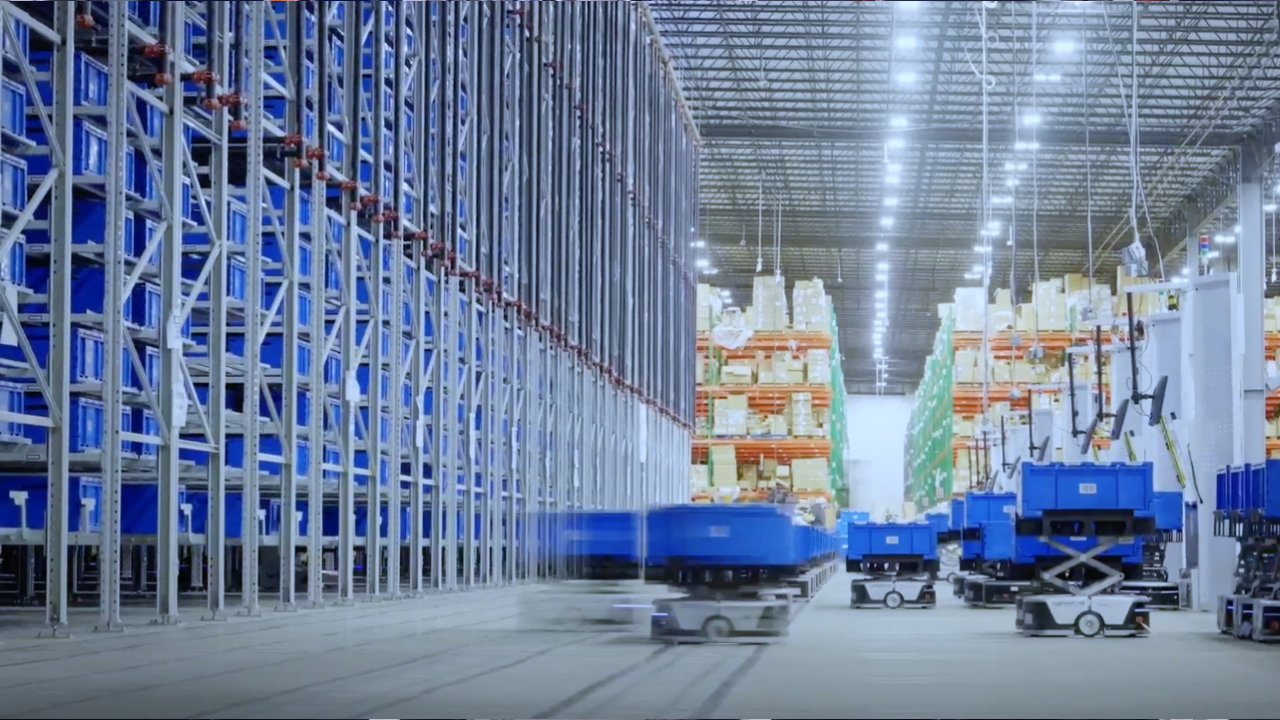
Tote-handling robots keep a long tail of small and mid-size parts in dense storage and bring them to the pick station.
- Long-tail small and mid-size parts: dense storage such as Geek+ RoboShuttle holds many slow-moving SKUs in a compact footprint and brings them to the operator, reducing search time.
- Steady performance against cutoffs: goods-to-person picking helps keep pick rates consistent when the order mix changes.
- Heavier standard-format items: Geek+ P-series robots can move heavier shelving units and totes.
When does automation not make sense for a parts operation?
Automation does not make sense for very bulky or irregular items, very low or stable volumes, processes that need fixing first or a case that relies only on a few busy weeks a year.
- Bulky or irregular parts such as bumpers and exhaust systems usually belong in a manual or conventional zone.
- Low-volume sites may not generate enough throughput to justify the investment.
- Unresolved process problems can be locked in rather than solved by automation.
- Short seasonal spikes alone rarely justify automation; the case needs to hold across the full year.
What is a hybrid automation layout for parts distribution?
A hybrid layout combines automated goods-to-person storage for the high-SKU small and mid-size range with conventional handling for bulky or irregular items. The right split depends on the site's own SKU and order data.
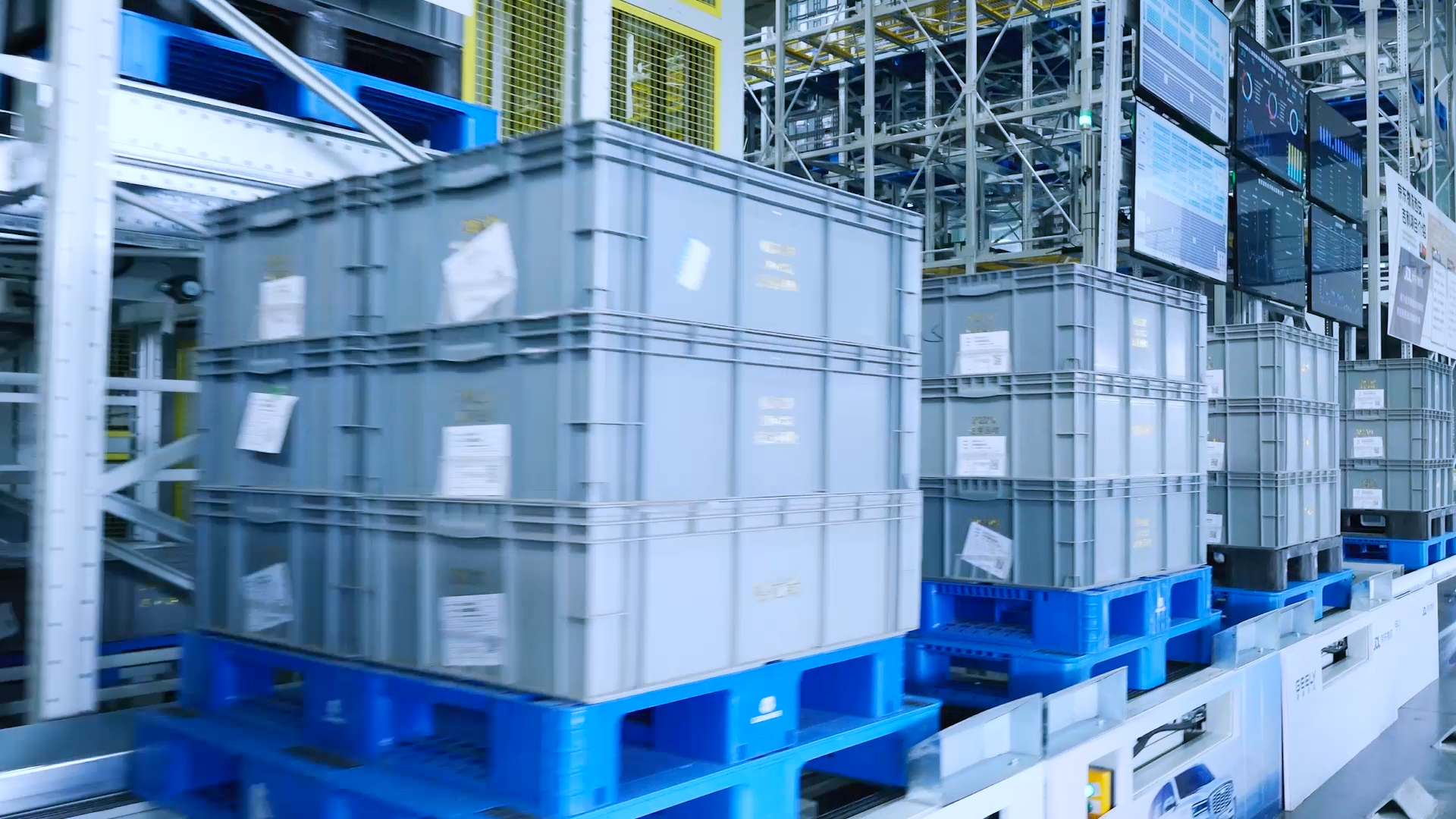
Standard-format containers suit automated handling, while bulky or irregular parts stay in a conventional zone.
Not sure which parts of your operation would benefit?
Request a free automation assessment for your automotive parts DC. If automation is not the right fit, we will tell you.


